Turning Conflict Data into Humanitarian Decisions

Building a strategic and operational decision-support system for humanitarian aid in Syria, bringing together conflict reporting, field data, geospatial analysis and structured reporting to help decision makers understand changing conditions and plan support for displaced and vulnerable populations.

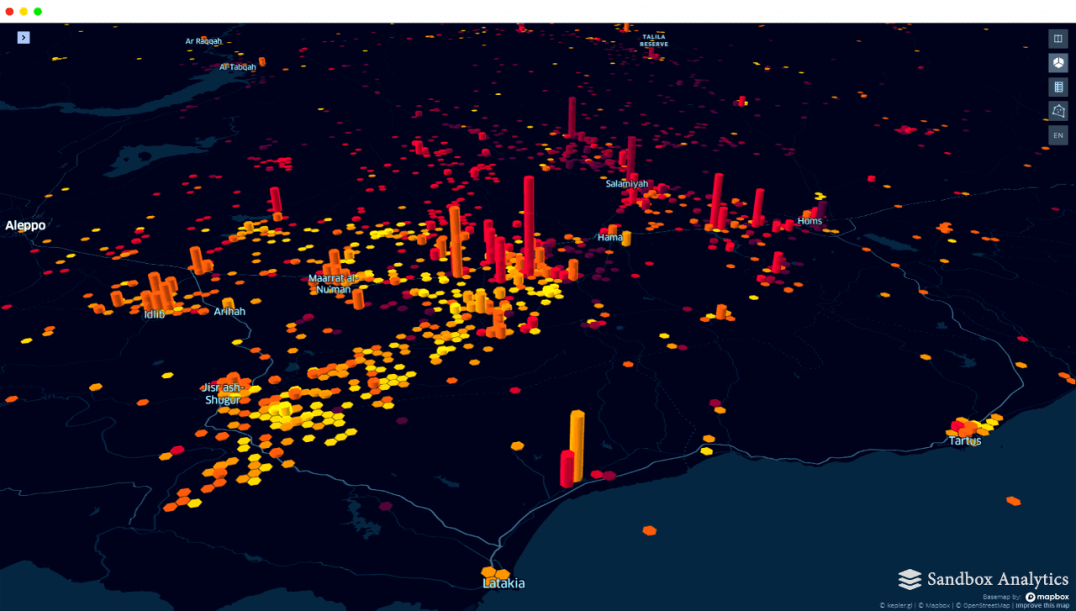
Humanitarian conflict visualisation
Turned complex conflict and humanitarian information into interactive visualisations, helping teams build a shared understanding of where conditions were changing and where needs were emerging.
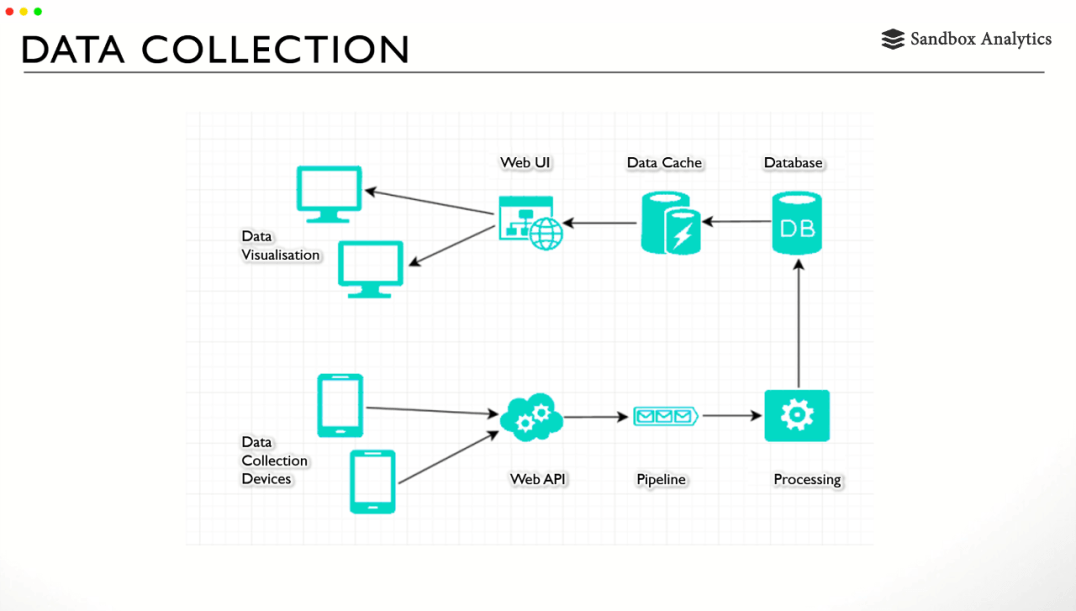
Humanitarian field data architecture
Connected field data collection with office-based analysis through a cloud architecture, creating a more consistent evidence base across dispersed teams and locations.
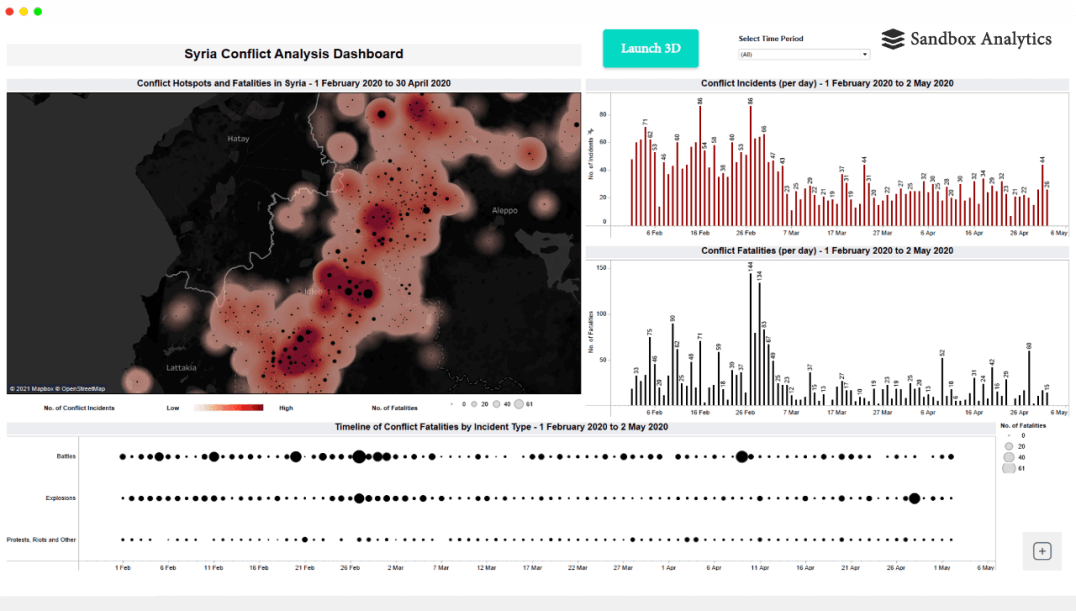
Humanitarian planning dashboard
Built strategic and operational dashboards that combined granular reporting with analytical layers, giving decision makers a clearer view of conflict conditions, needs and programme activity.
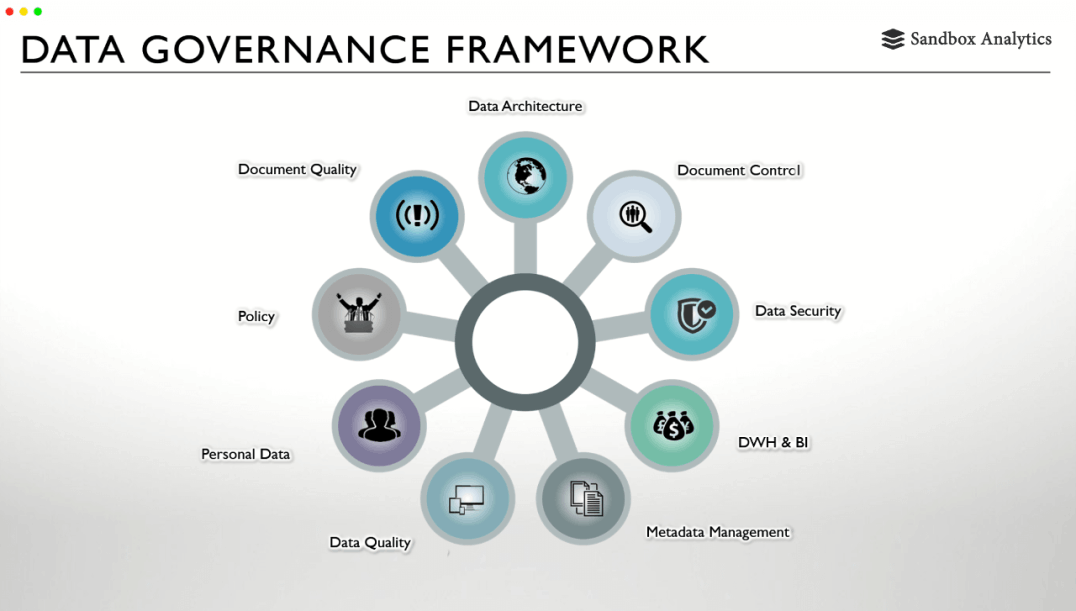
Humanitarian data governance framework
Introduced a data governance framework to improve the security, consistency and accountability of information shared across humanitarian teams and partners.
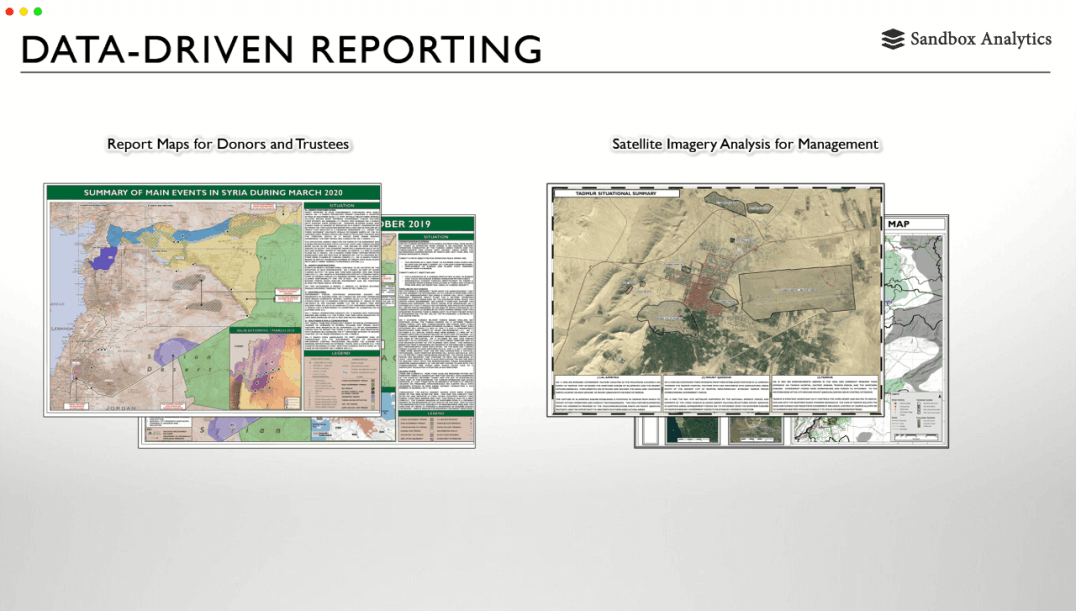
Humanitarian decision reporting
Automated decision-ready reporting for trustees, management and donors, reducing manual workload while making the evidence behind programme decisions easier to understand and communicate.

Decision Outcome

The project turned fragmented conflict and programme information into a shared decision environment for humanitarian planning. Field reporting, geospatial analysis, governance and automated reporting gave decision makers a more consistent view of changing conditions and needs, supporting better-informed choices about where attention and resources should be directed while strengthening accountability to management, trustees and donors.

See More Selected Work